Context Changes Everything In Investigations. But Changes In Context Matter Most.
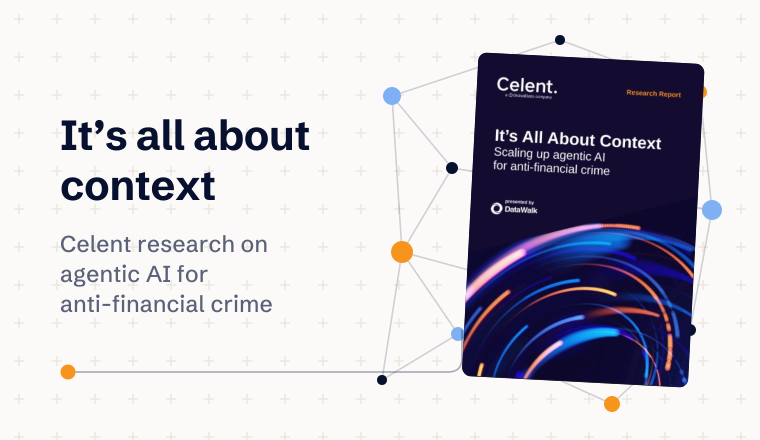
Most investigation platforms talk about context. Few define what it actually means in practice. Even fewer solve the harder problem: how context stays accurate when the world (and the data representing this world) changes.
The Legacy Model: Building Context on Demand
For years, investigators in financial crime and law enforcement have worked in an on-demand context model. A new case appears. A new alert is triggered. A new entity needs review. Only then does the work begin. Investigators build link charts, search multiple systems, request data access, and piece together fragments of information to understand what they are looking at. That approach slows decisions and wastes expertise.
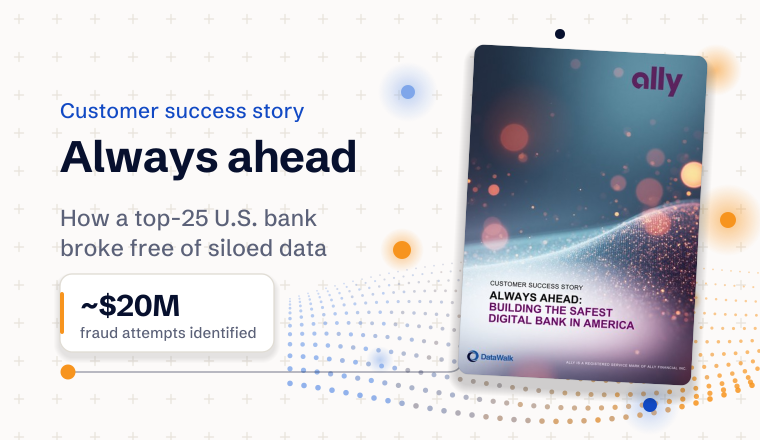
How Ally Built a Modern Fraud Intelligence Platform
Learn how Ally applied graph analytics and contextual investigation tools to uncover complex fraud networks and strengthen fraud prevention.
Read Case Study
A Better Starting Point: Context Available from Day One
At DataWalk, we changed that paradigm. Context gathering should not begin when an investigation starts. Investigators should have a full institutional understanding already in place — entities, customers, relationships, histories, and relevant data connected in one intelligence environment. All ready to analyze.
Legacy vs. Modern Investigation Models
Transitioning from reactive data gathering to proactive intelligence.
Legacy: Building on Demand
- Trigger: Context stitching begins when an alert or new case appears.
- Process: Manual searches across multiple systems and data requests.
- Result: Decision-making is slowed and valuable expertise is wasted on prep work.
DataWalk: Day One Context
- Availability: Full institutional understanding is ready before the investigation starts.
- Environment: Entities, customers, and histories are pre-connected.
- Result: Instant analysis capability with dynamic, evolving data.
The New Problem: When Context Becomes Outdated
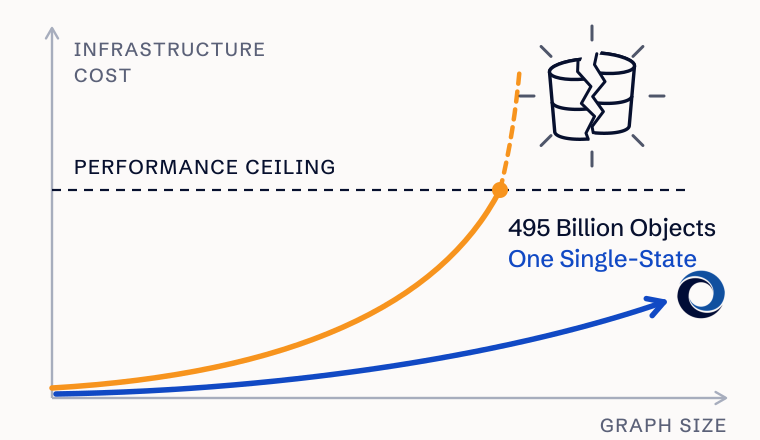
But building context upfront — through data contextualization — is only half the answer. Because data is dynamic. Ownership structures change. New customers are onboarded. New relationships appear. Old ones disappear. Entity details evolve. Risk signals move. If your contextual intelligence cannot adapt to those changes, it becomes outdated the moment it is created.
This is the real challenge many “innovative” platforms cannot solve. They focus on interface improvements, not the underlying architecture required to continuously maintain usable, trusted context at scale.
The "Innovative" Platform Gap
Most platforms don't have the right underlying architecture needed to handle data updates without disruptions.
Outcome: Context becomes outdated the moment it is created if not dynamic.
A Real Fraud Investigation Example
One of our banking customers faced exactly this issue in fraud investigations. They used DataWalk to identify fraudulent customers applying for loans using synthetic identities. But they did more than solve a one-time case. They operationalised that intelligence. Now, when new customer information enters the system, it is automatically checked for shared connections — such as phone numbers or other identifiers — against known fraud rings.
That is only possible when updated data can be continuously attached to existing contextual intelligence without breaking performance for investigators.
What Sets DataWalk Apart
This is where architecture matters and solves real investigative problems.
The difference is not just seeing context. It is having context that evolves with reality. Fast enough for investigators. Consistently accurate for decision-making. Ready for humans and AI Agents alike.
Context changes everything in investigations. An even bigger game-changer is to easily handle context changes. DataWalk software provides you with this breakthrough capability.
How DataWalk AI is Transforming Investigative and Intelligence Analytics
Download the eBookFAQ
What is wrong with the traditional approach to gathering context in investigations?
Why is it not enough to just build context upfront?
Why do many platforms struggle to keep context updated?
How does dynamic context work in a real fraud case?
DataWalk Platform
See DataWalk in action
Request a personalised live demo and discover how DataWalk connects the dots across your data.